
Core systems
Payment & checkout
The part of the build where money actually changes hands — and where most drop-off happens.
From RM 1,500Instalments and subscriptions from RM 2,500All add-on prices
What it is
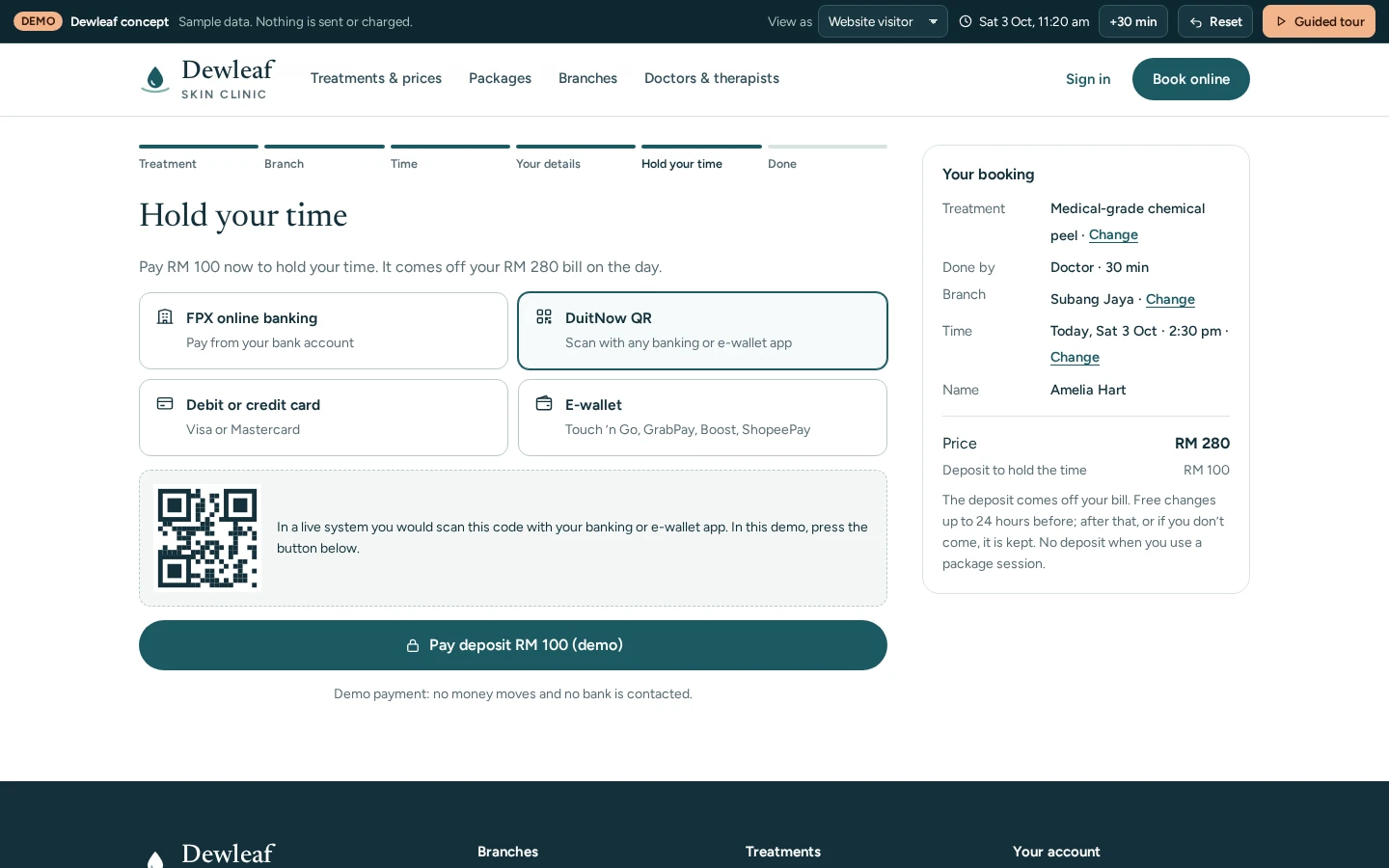
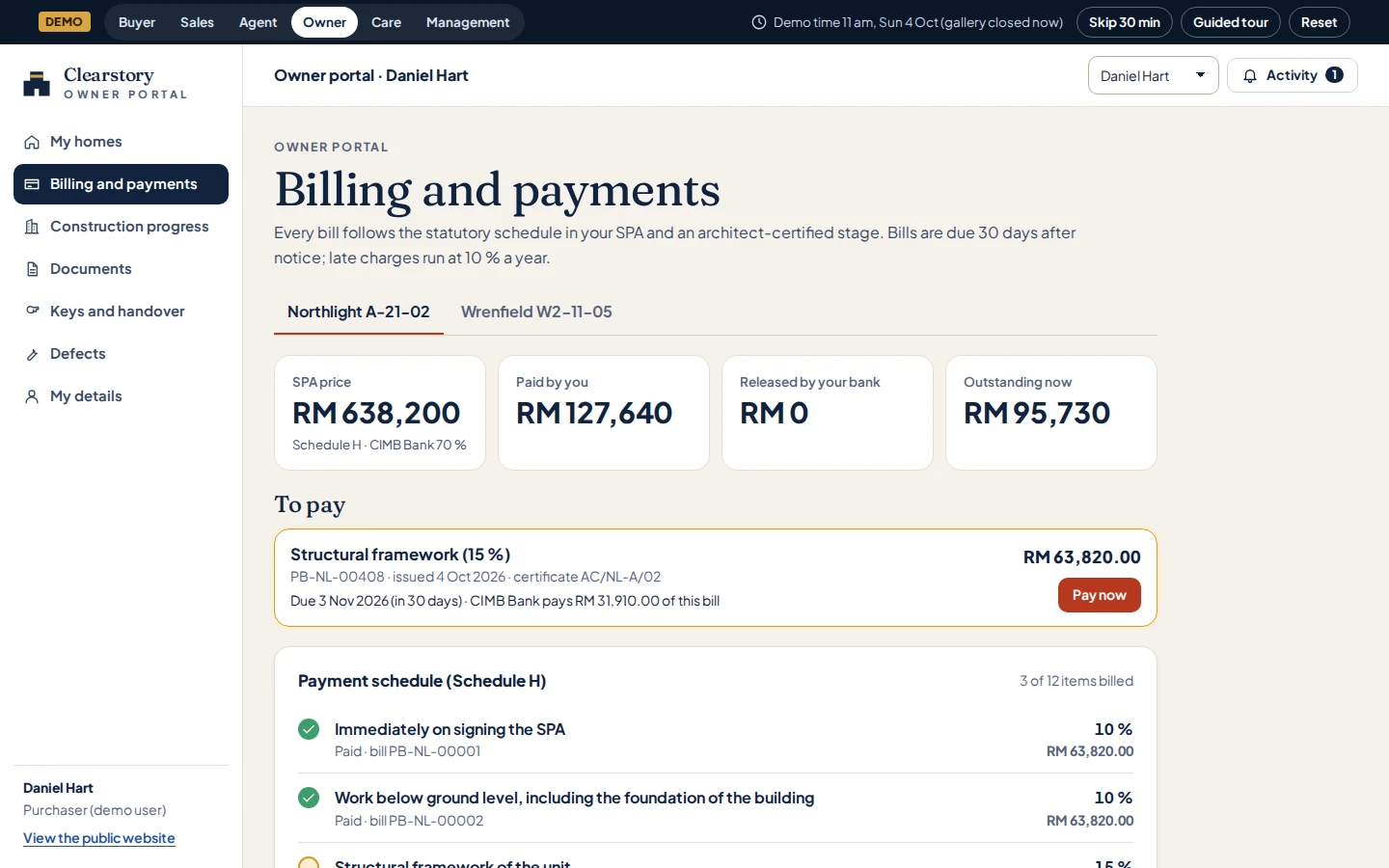
A complete checkout path rather than a payment button: cart, address and delivery, the payment step itself, and a confirmation the customer can act on. Built for Malaysian buyers, which means FPX and DuitNow QR sit alongside cards rather than behind them, and totals are in ringgit throughout.
How we build it
What makes ours work
We design backwards from the order, not forwards from the gateway
A checkout is only as good as the order record it produces. Before any payment UI exists, we define what a complete order must contain — items and variants, the delivery promise made at purchase time, the price actually charged after discounts, and who to contact when something goes wrong. Then the checkout is built as the shortest honest path to producing that record. This is why our checkouts end in a reference number the customer can quote and an order your team can act on, rather than just a payment success screen.
Malaysian rails come first, not as an afterthought
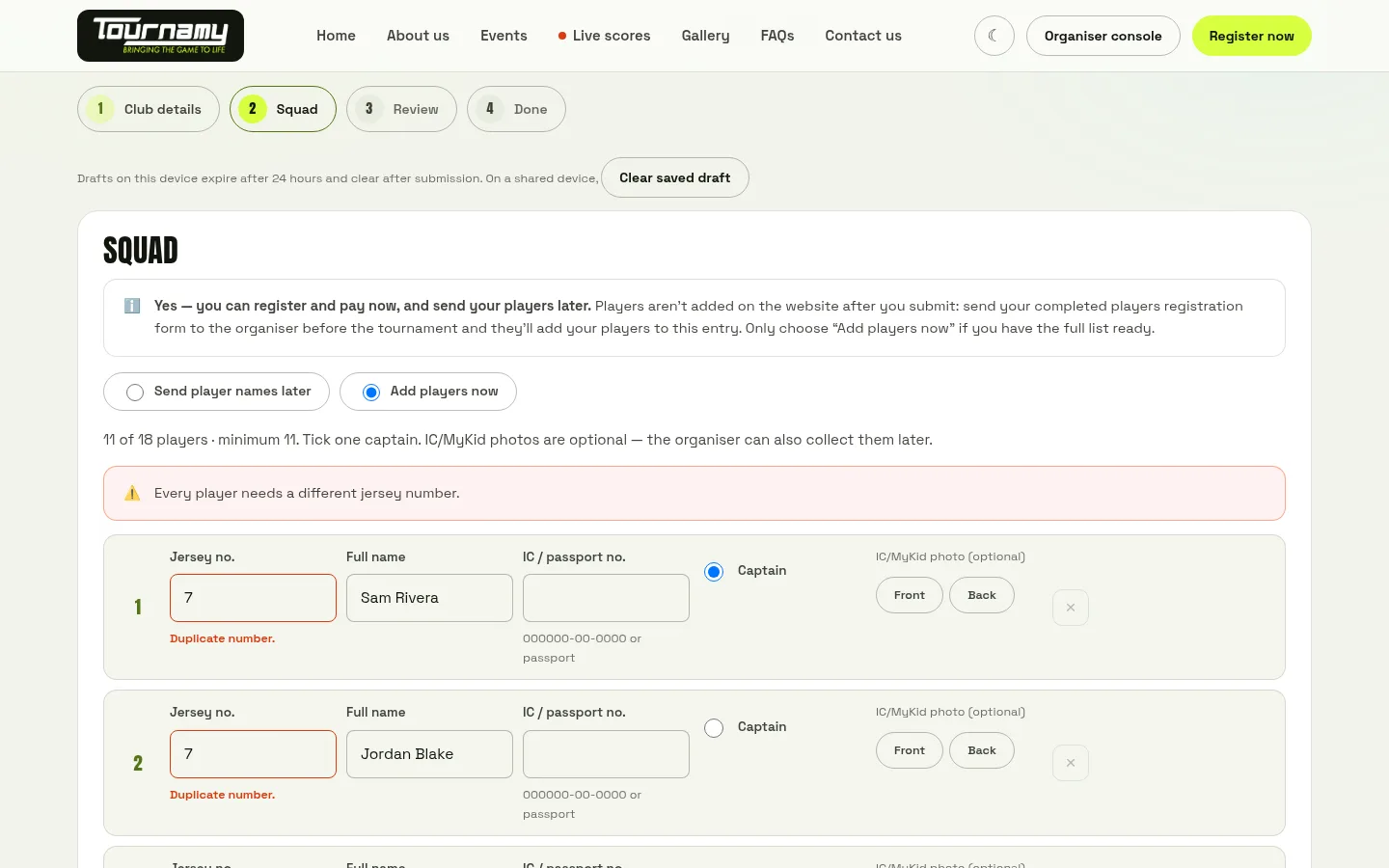
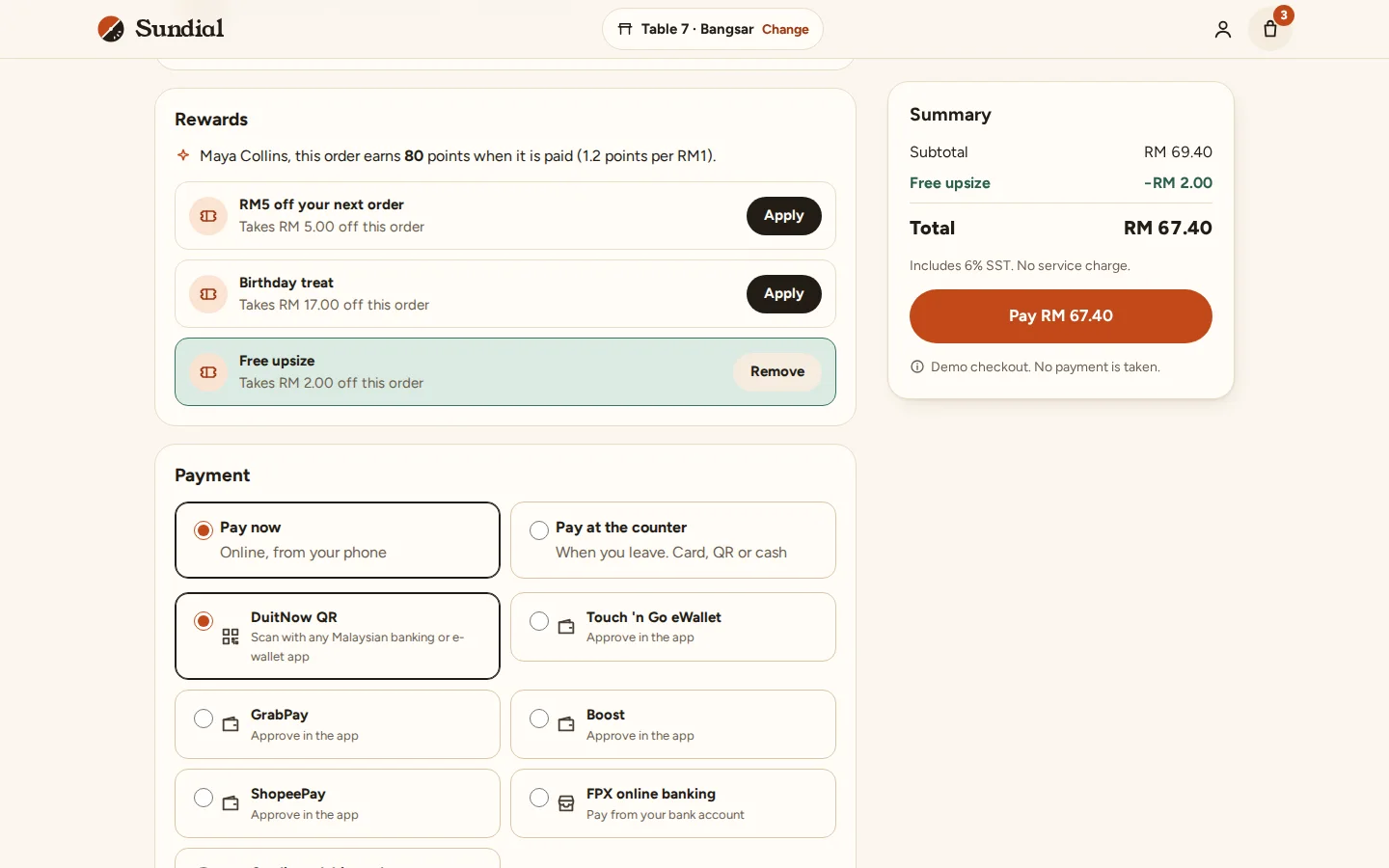
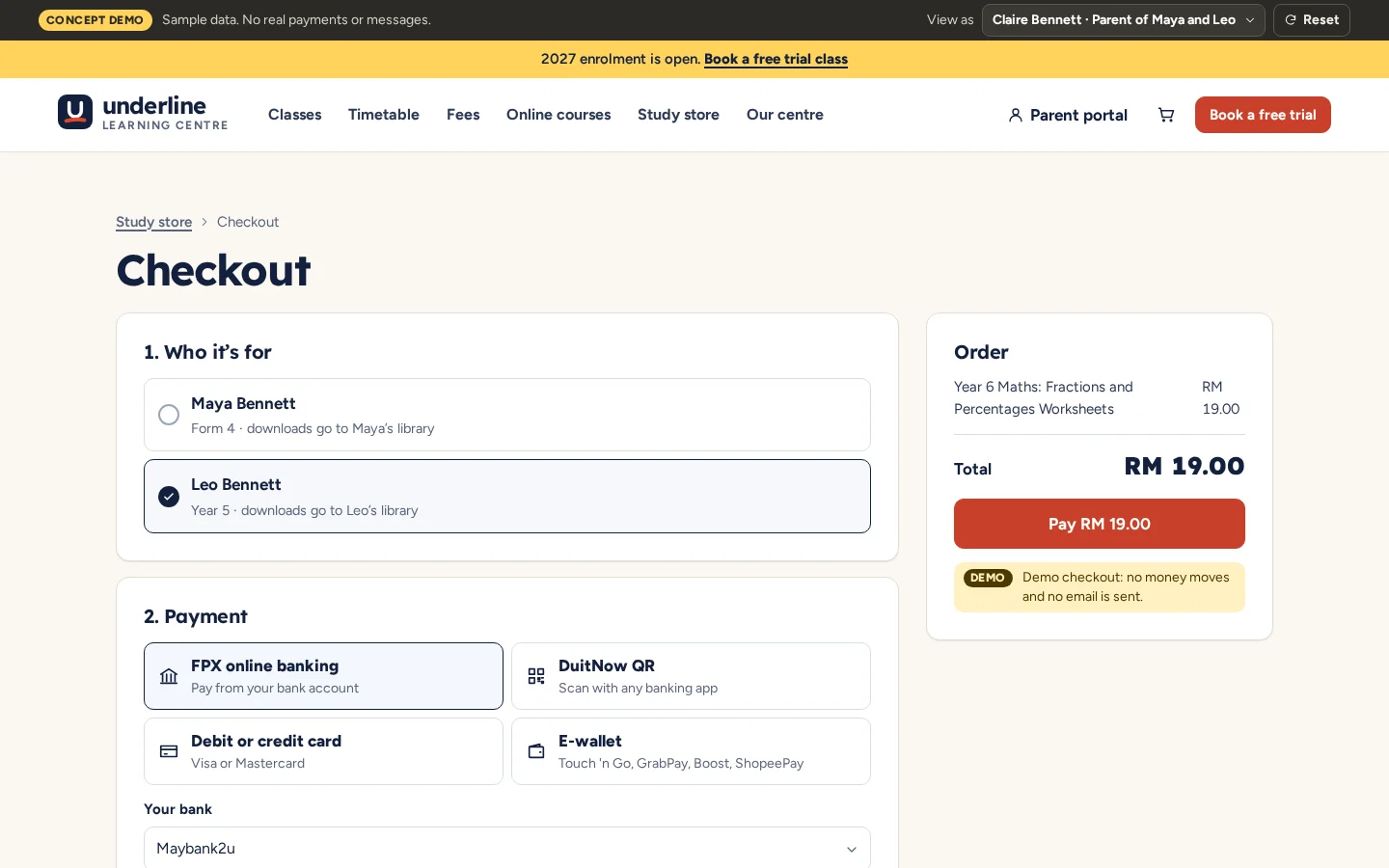
Most checkout templates are built for card-first markets, with local methods bolted on. Malaysian buyers reach for FPX and DuitNow QR first, so the payment step presents them as equals — bank list and QR flow designed with the same care as the card form. Address entry uses real Malaysian states and postcodes, delivery fees are calculated locally, and every total is in ringgit from the first product page to the confirmation. In the Aruva build you can walk this exact flow end to end.
Failure is a first-class path
The unhappy paths are where checkouts quietly lose money: a declined card, stock sold out between cart and payment, a customer who abandons at the delivery step. We re-check availability at the moment of payment rather than trusting the cart, keep the cart intact through a failed attempt so the customer retries instead of restarting, and record enough about abandoned checkouts that you can see where people drop out — because the fix is usually in the step before payment, not payment itself.
Proof
Where we've built this
Every build below contains this system. Open any one to see how it works — the fastest way to judge whether we can do what you need.
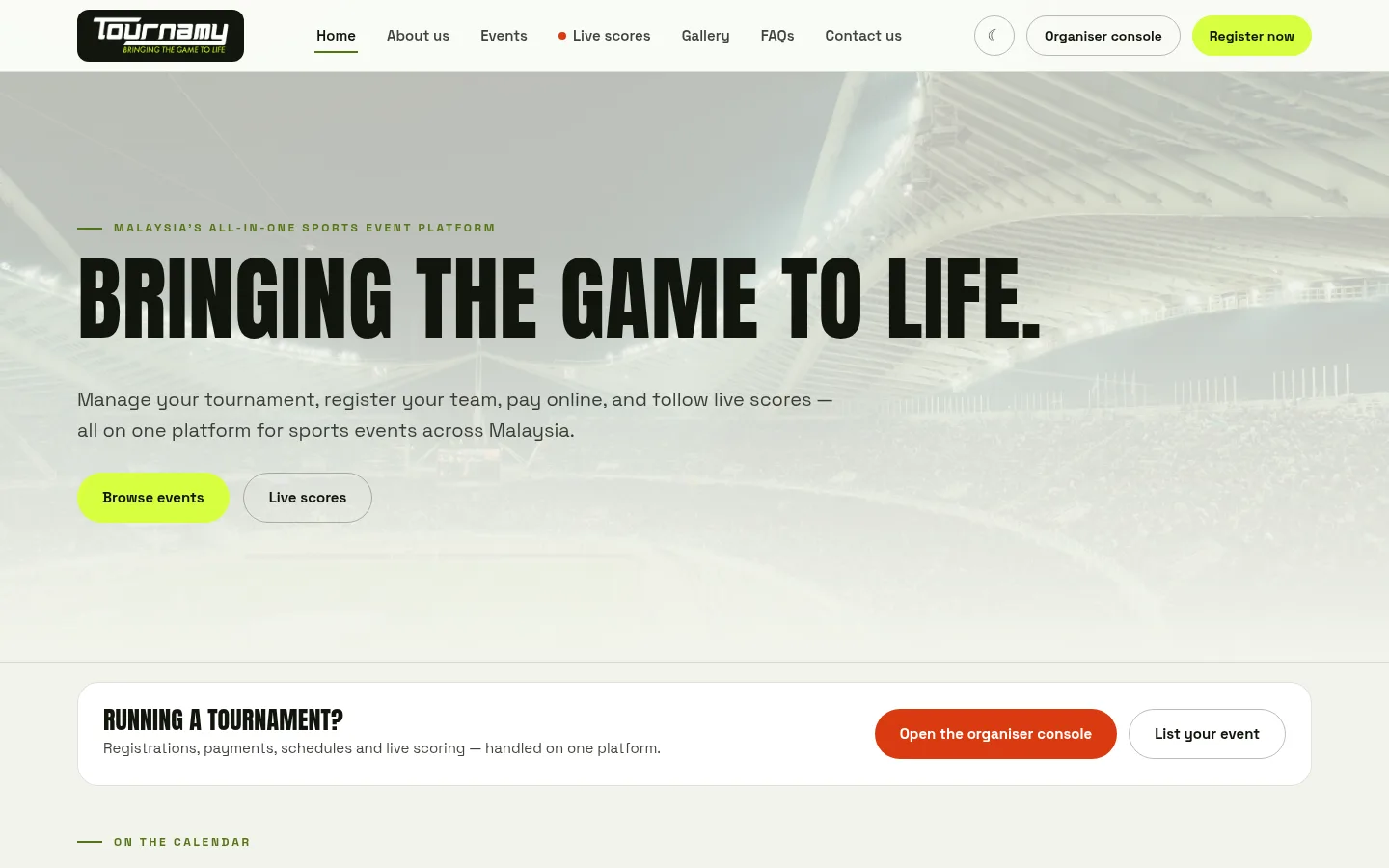
Tournamy
Sports events platform
See how it works →
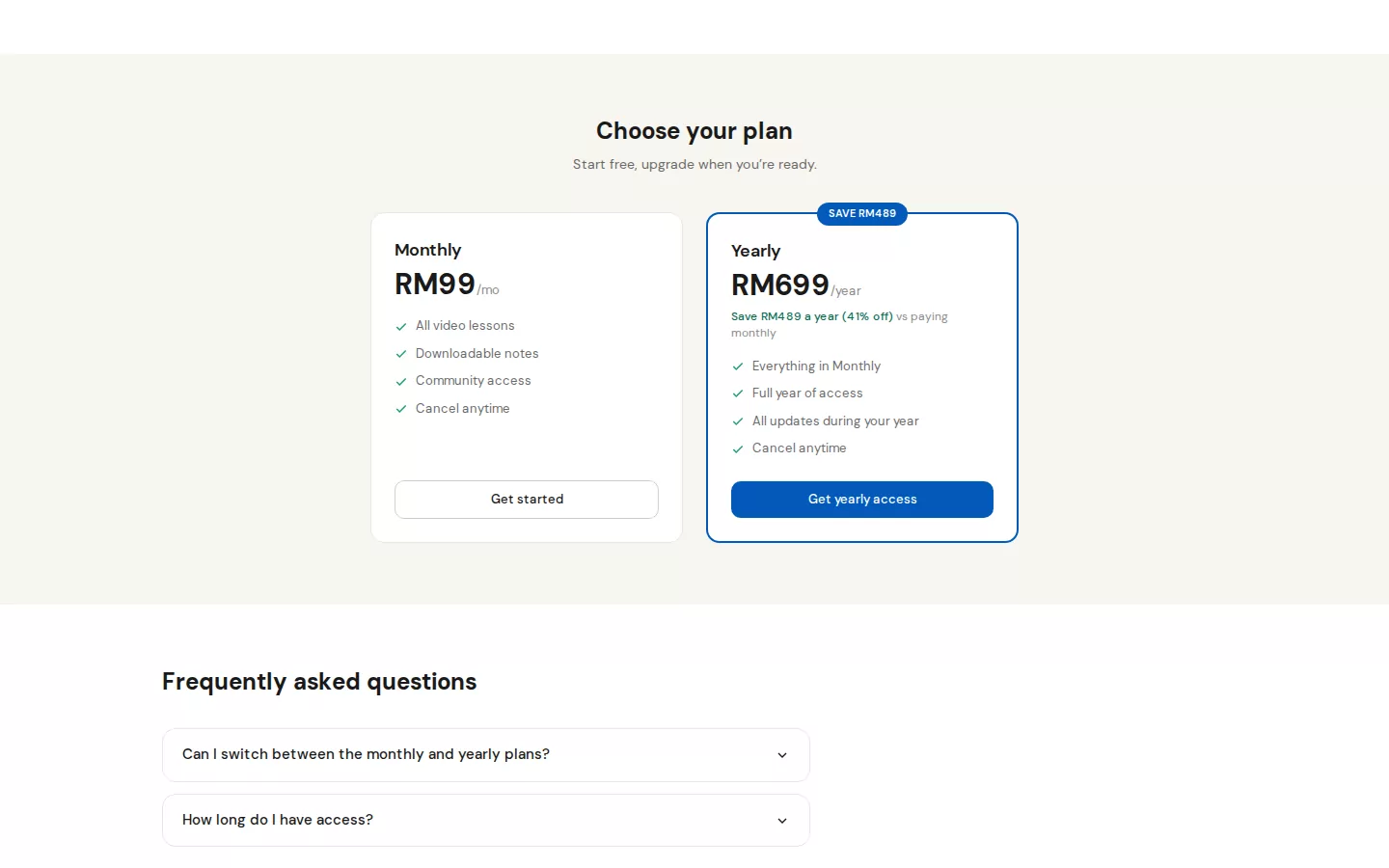
Math Simplified
Online course and subscription platform
See how it works →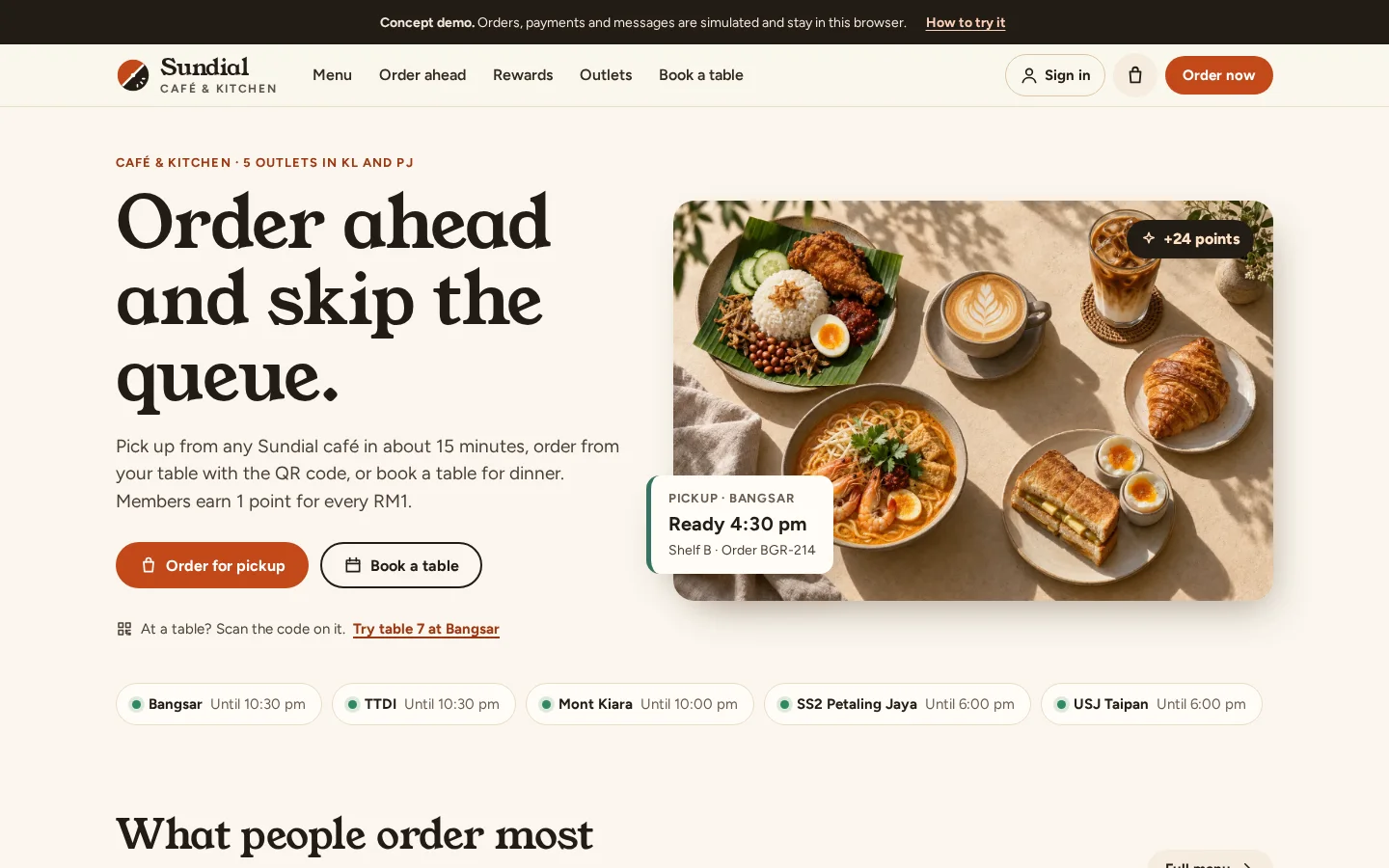
Sundial
Restaurant ordering and loyalty app
See how it works →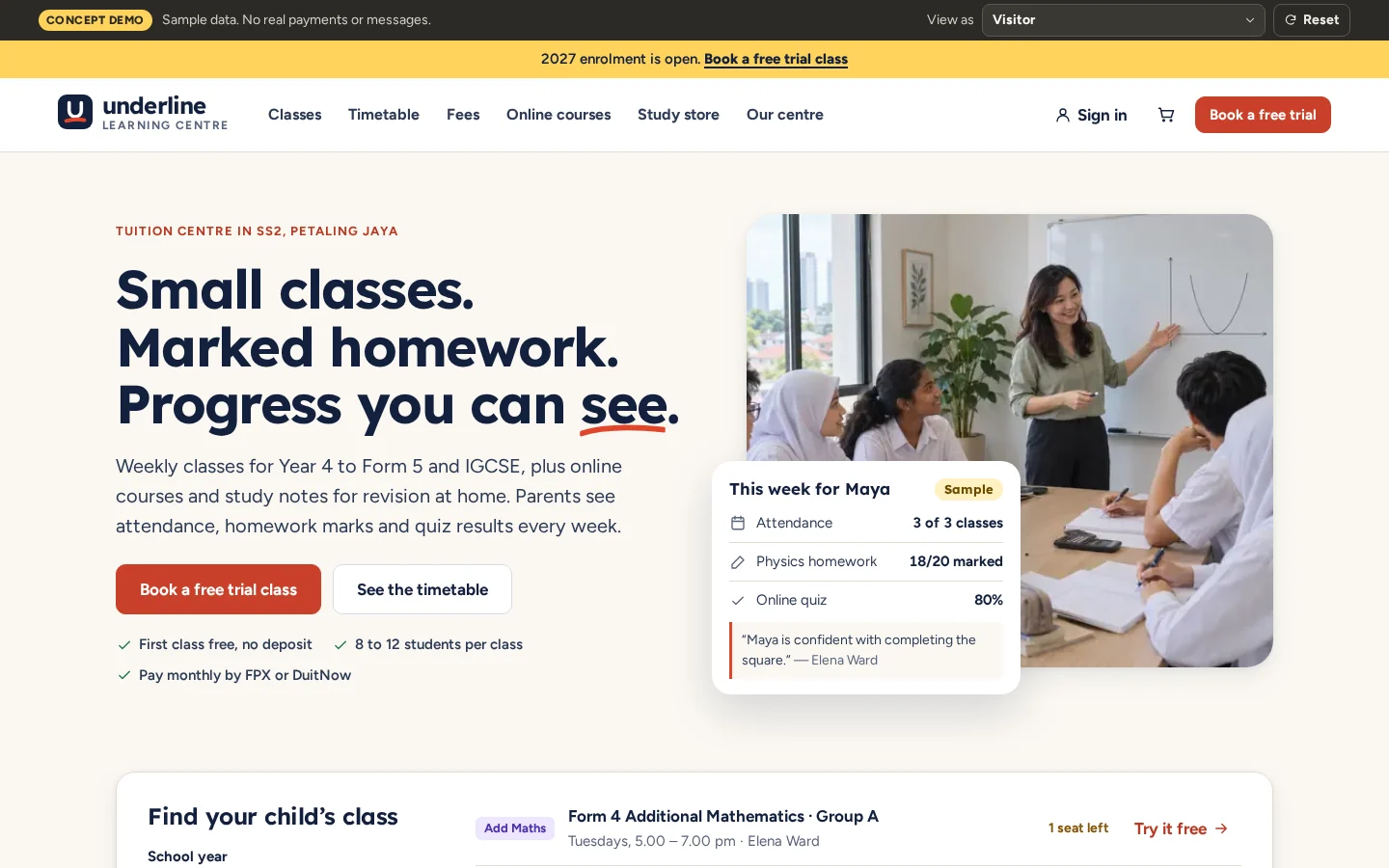
Underline
Tuition centre with online courses and a study store
See how it works →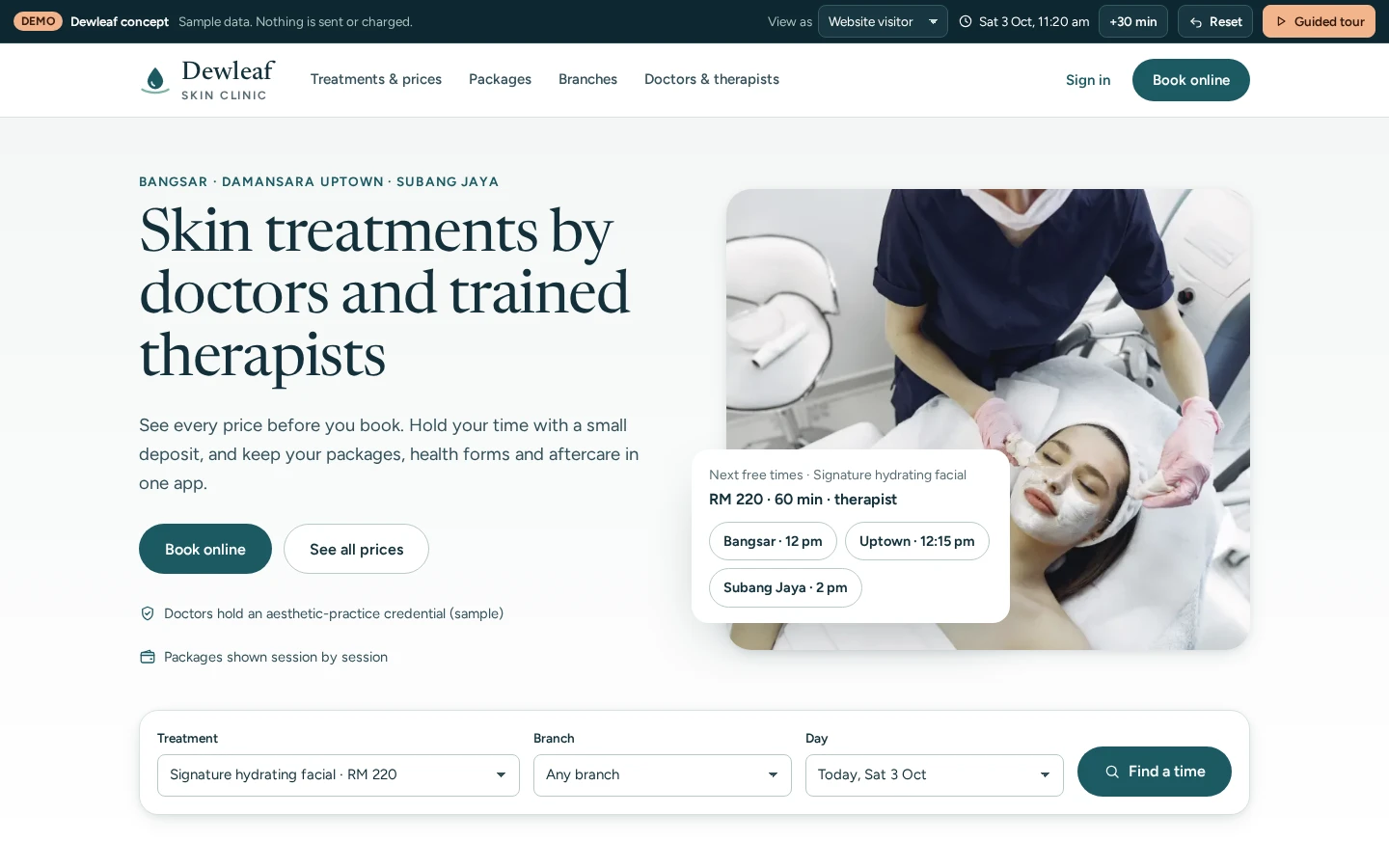
Dewleaf Skin Clinic
Clinic group booking, packages and consent
See how it works →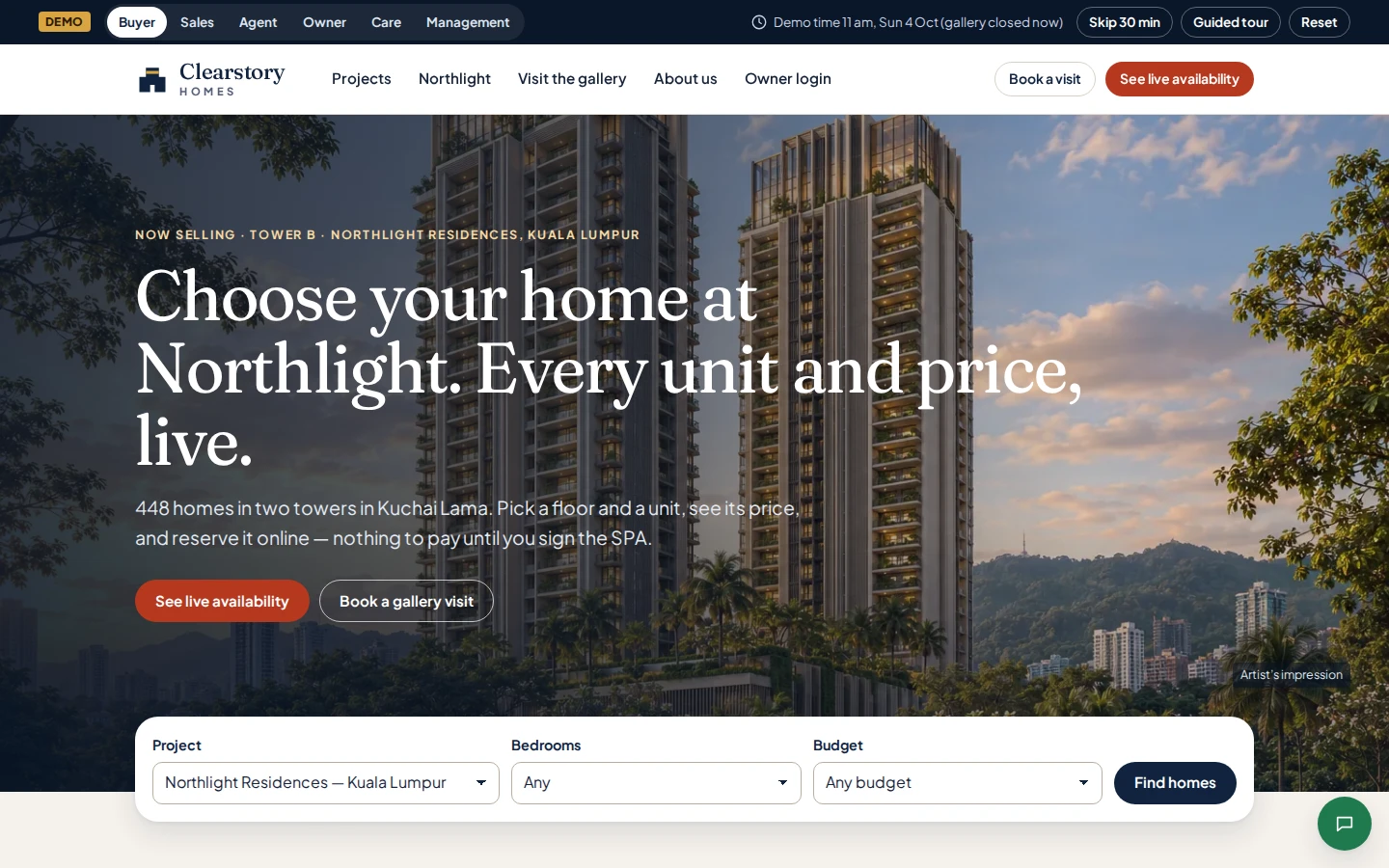
Clearstory Homes
Property developer sales system and owner portal
See how it works →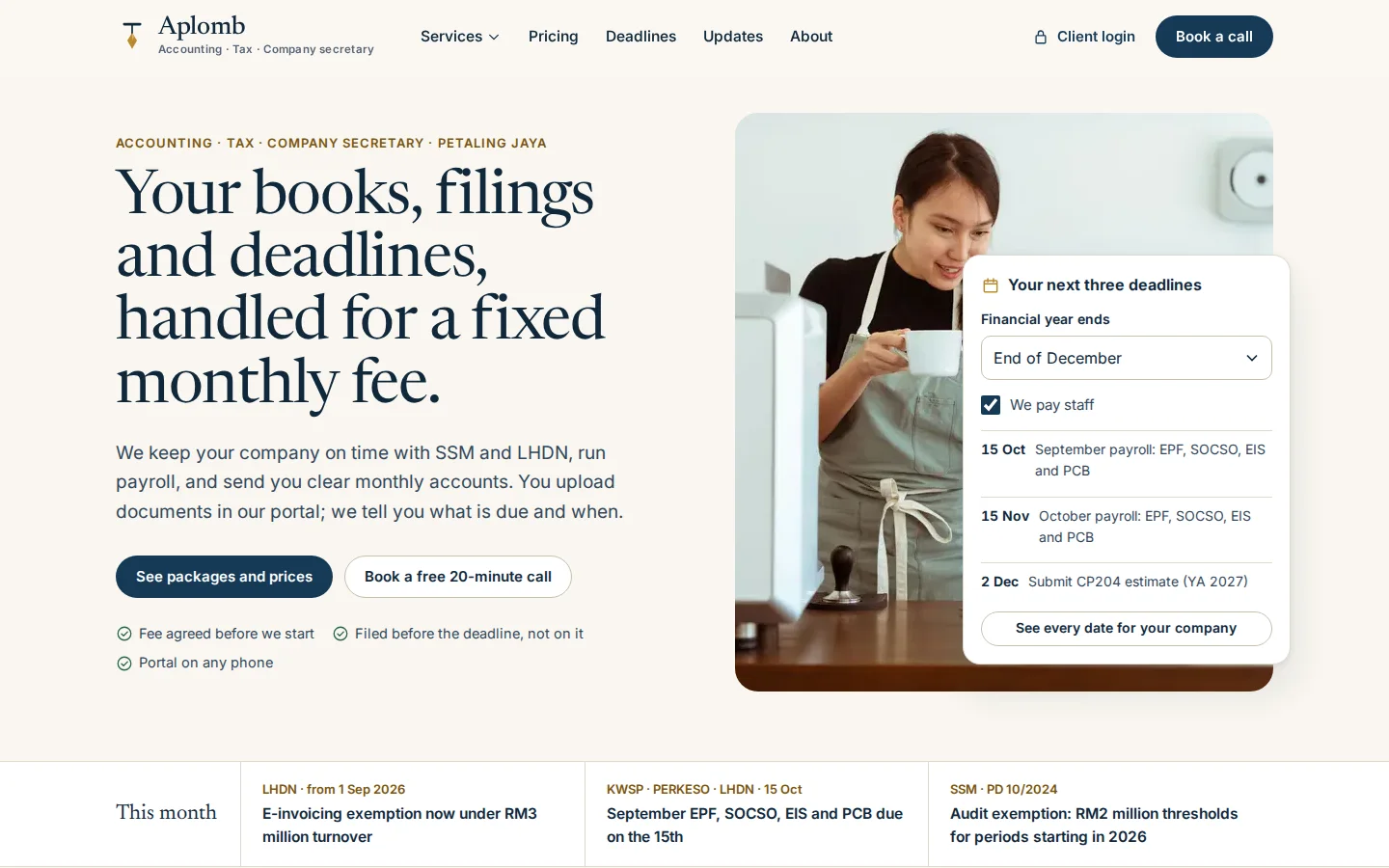
Aplomb Accounting
Accounting firm client portal and practice system
See how it works →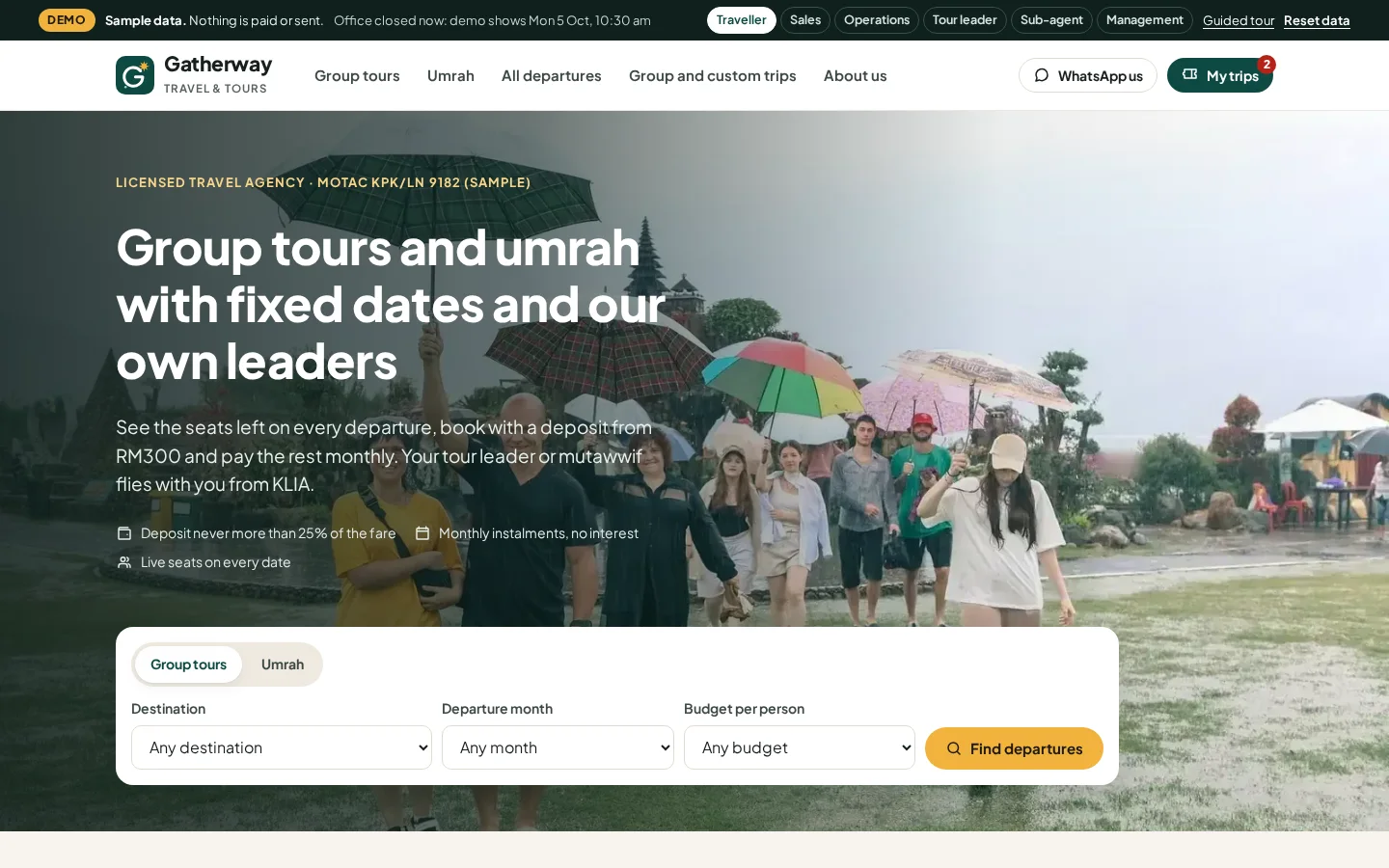
Gatherway Travel & Tours
Tour and umrah agency booking system
See how it works →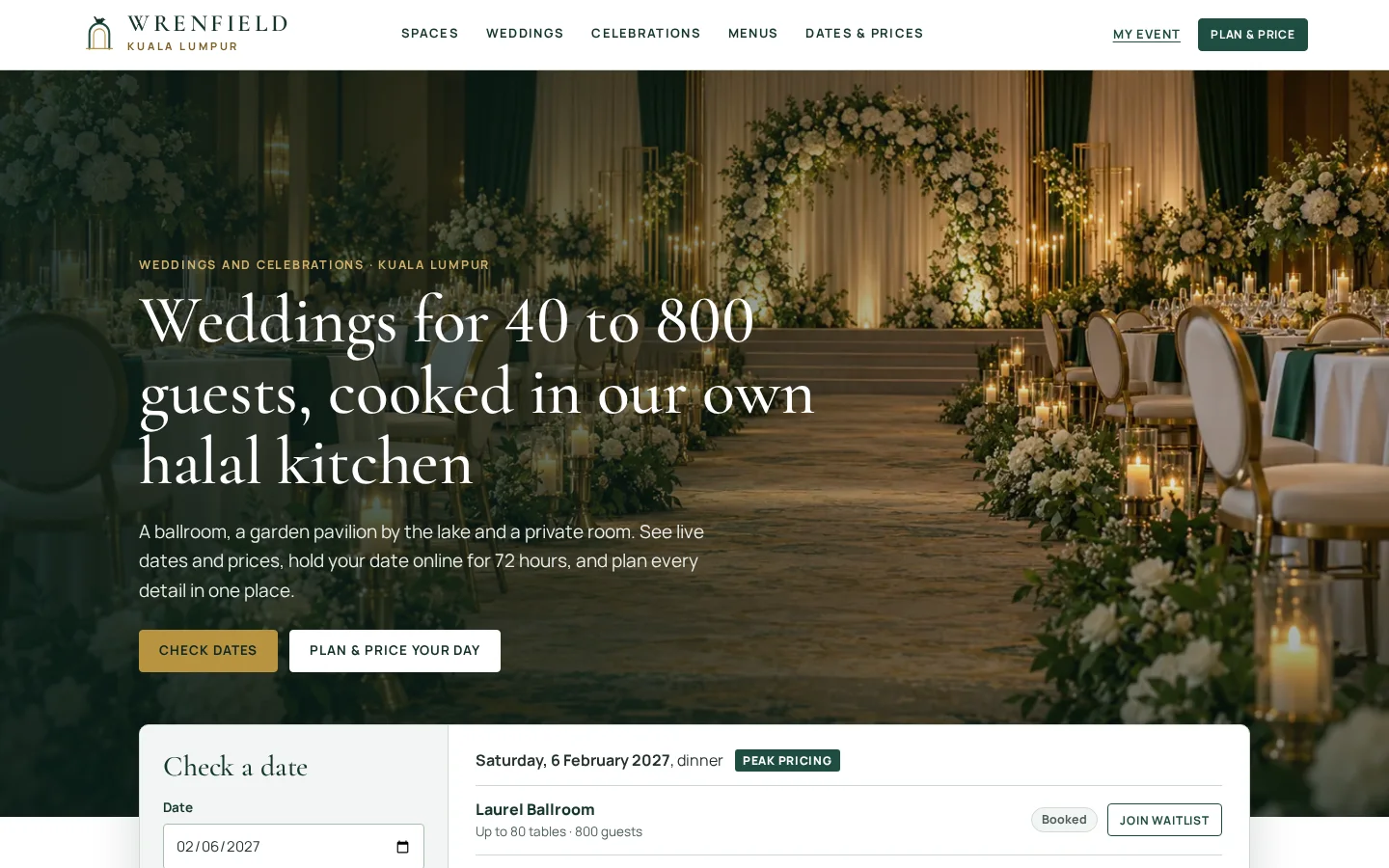
Wrenfield
Wedding and event venue booking system
See how it works →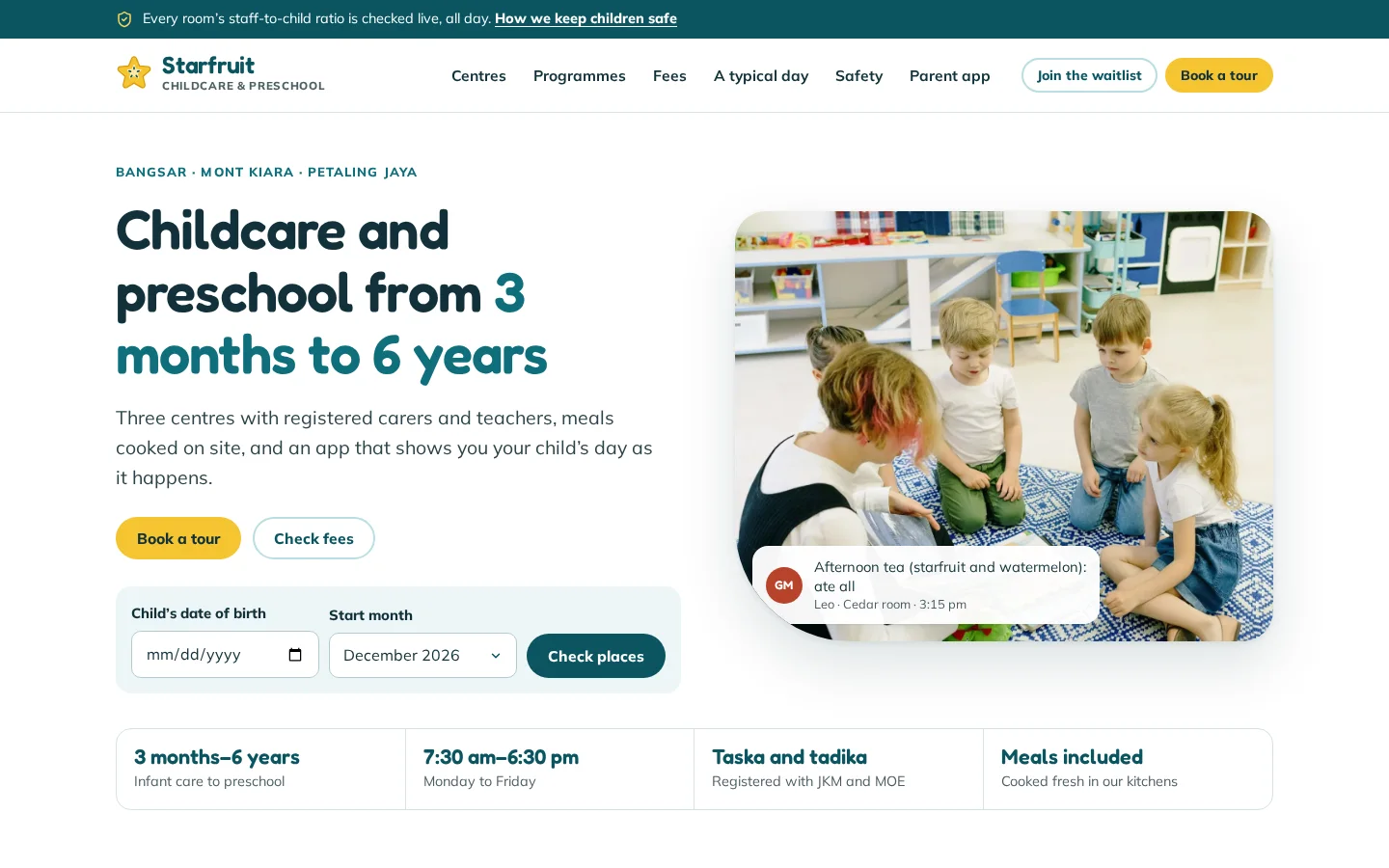
Starfruit Childcare & Preschool
Childcare parent app, teacher app and centre office
See how it works →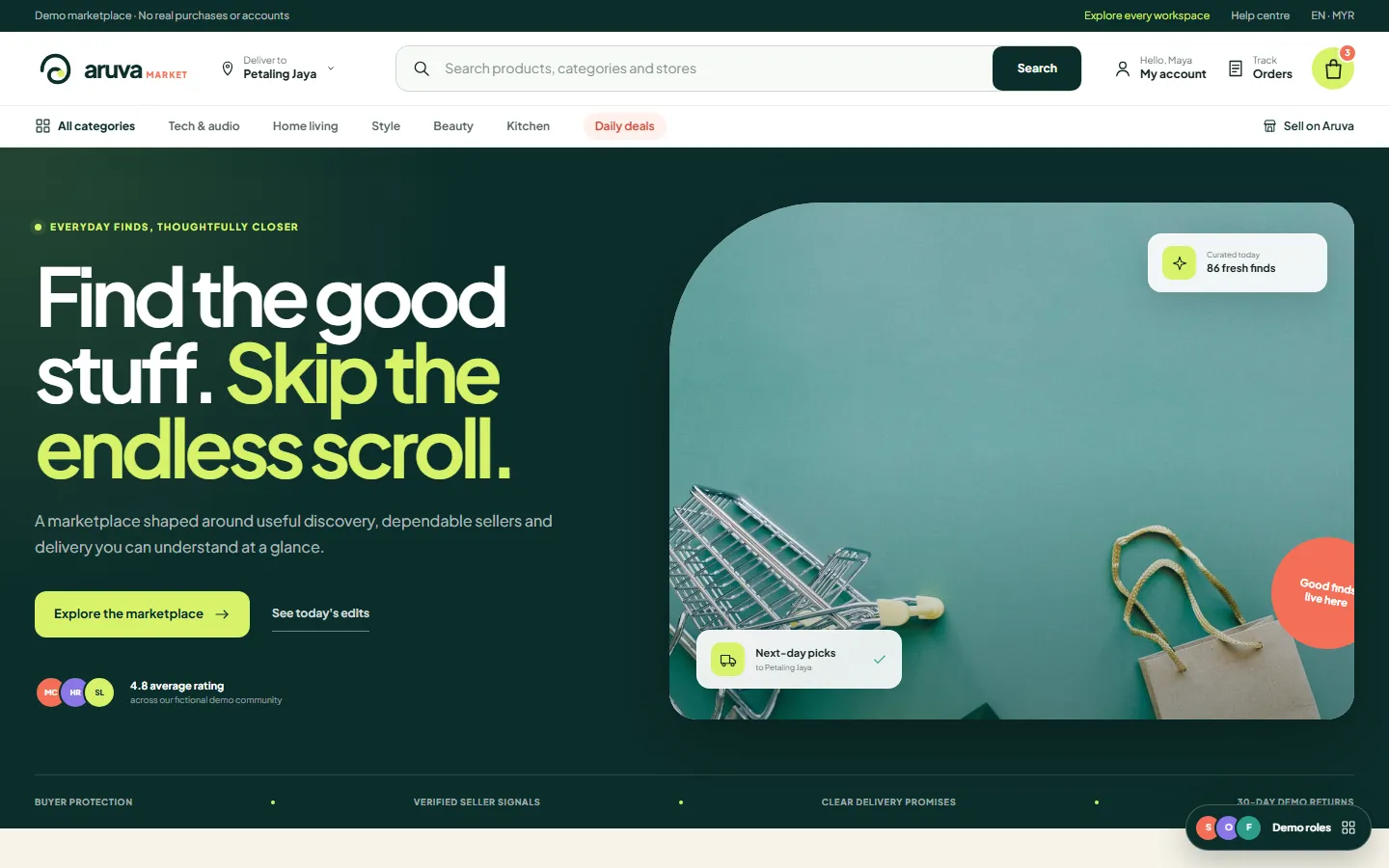
Aruva Marketplace
Multi-vendor commerce platform
See how it works →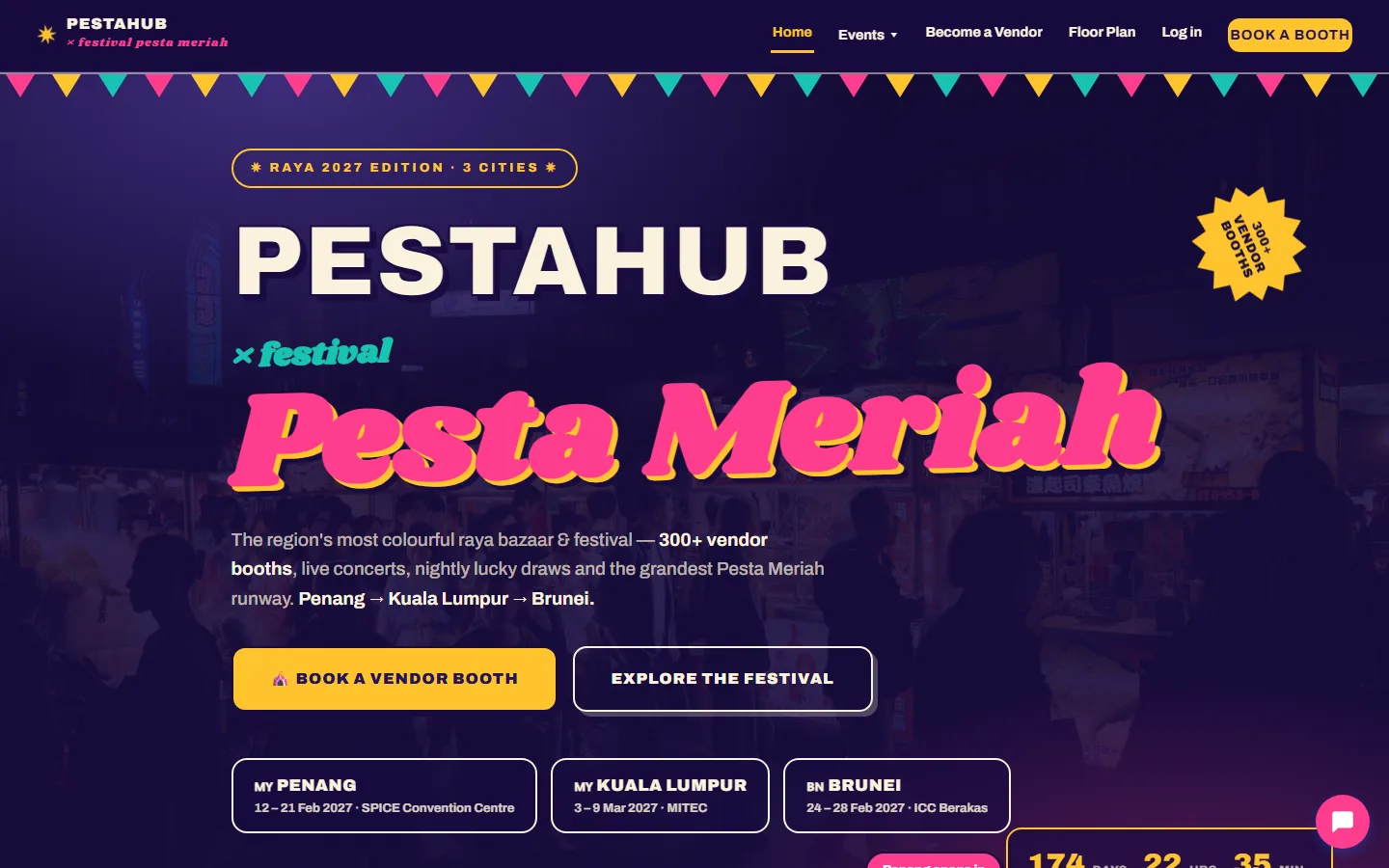
PestaHub
Festival & booth-booking platform
See how it works →
HORIZON 2026
Event & ticketing platform
See how it works →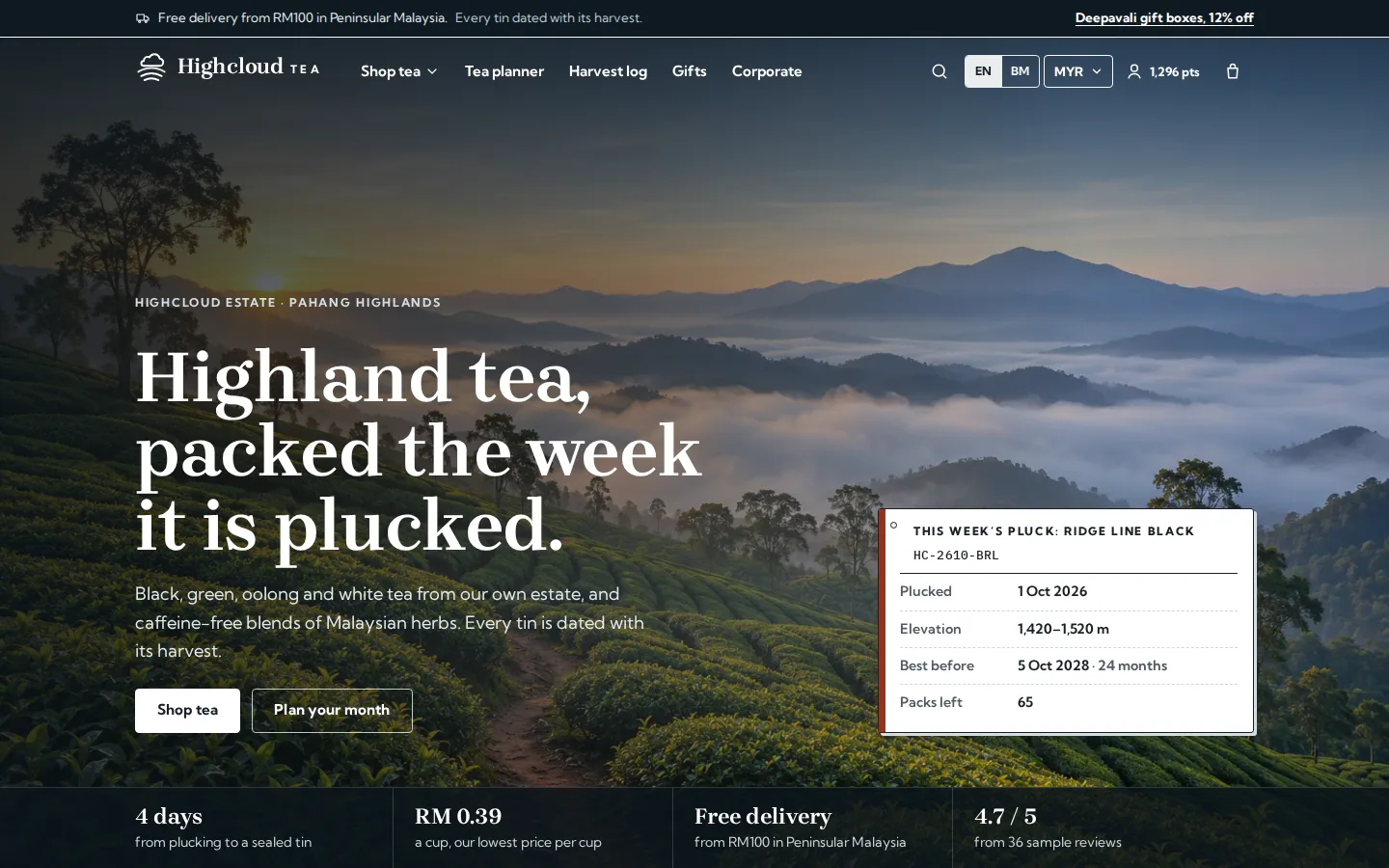
Highcloud Tea
Tea brand online store and back office
See how it works →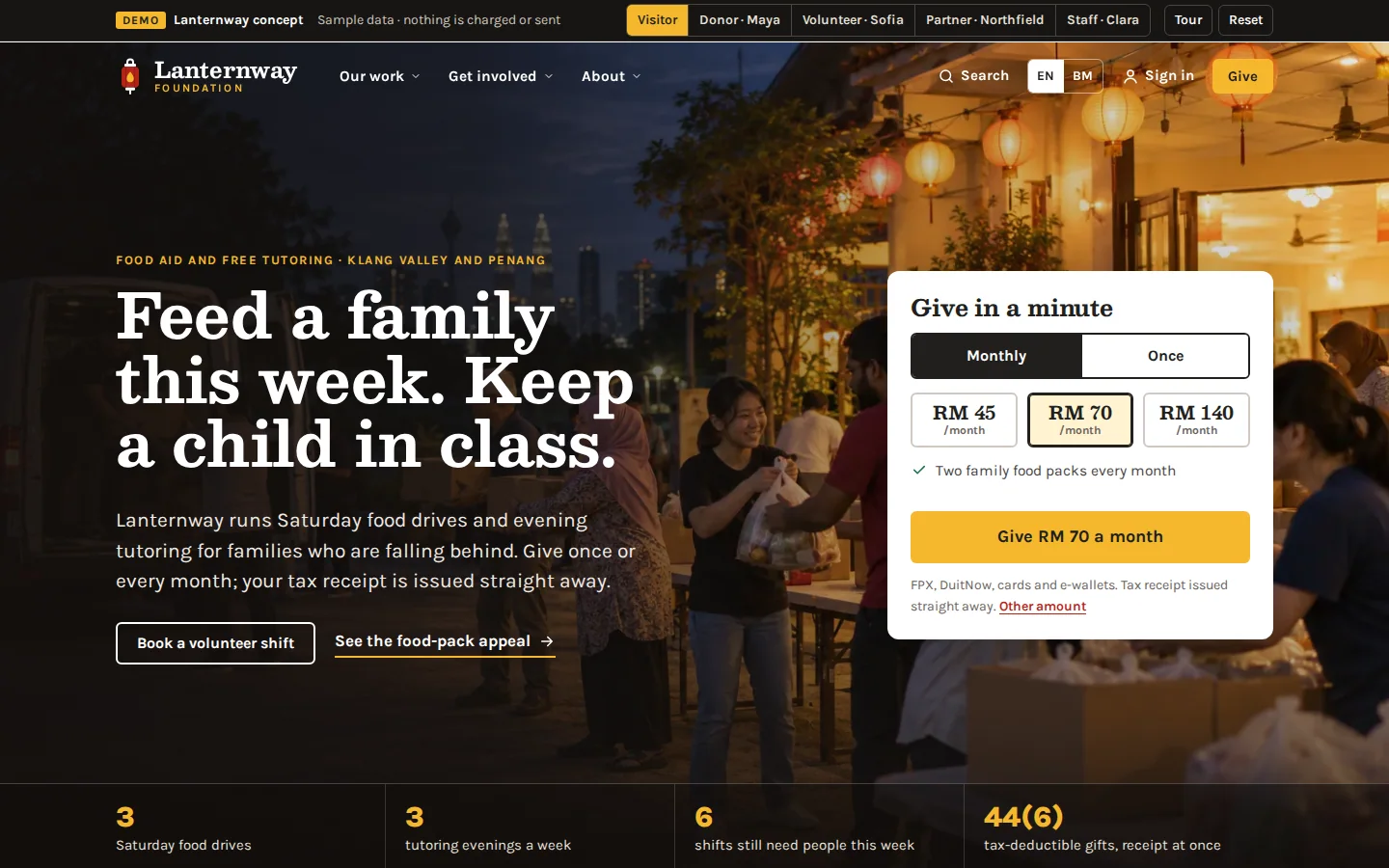
Lanternway Foundation
Charity website and giving system
See how it works →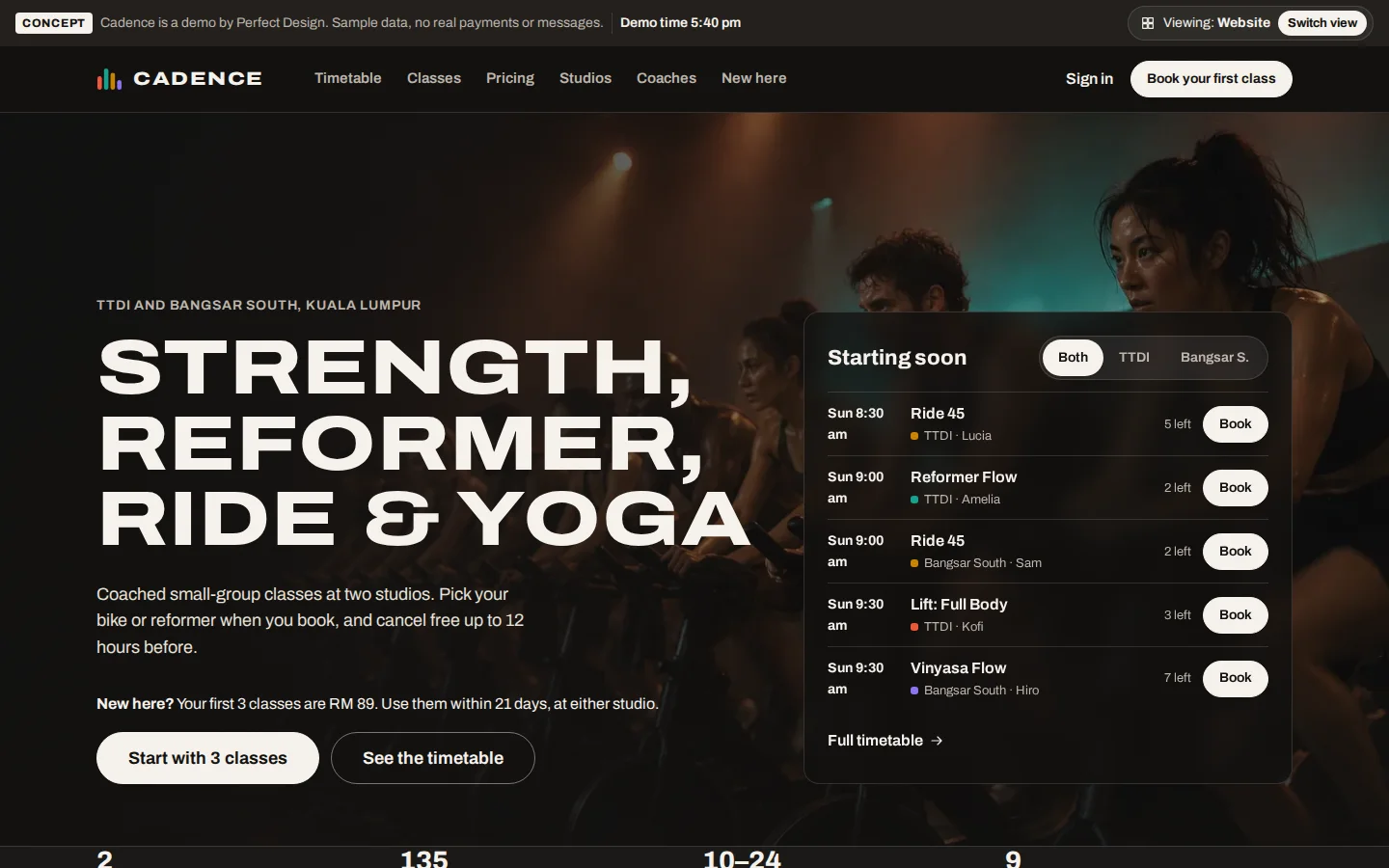
Cadence
Fitness studio booking and membership app
See how it works →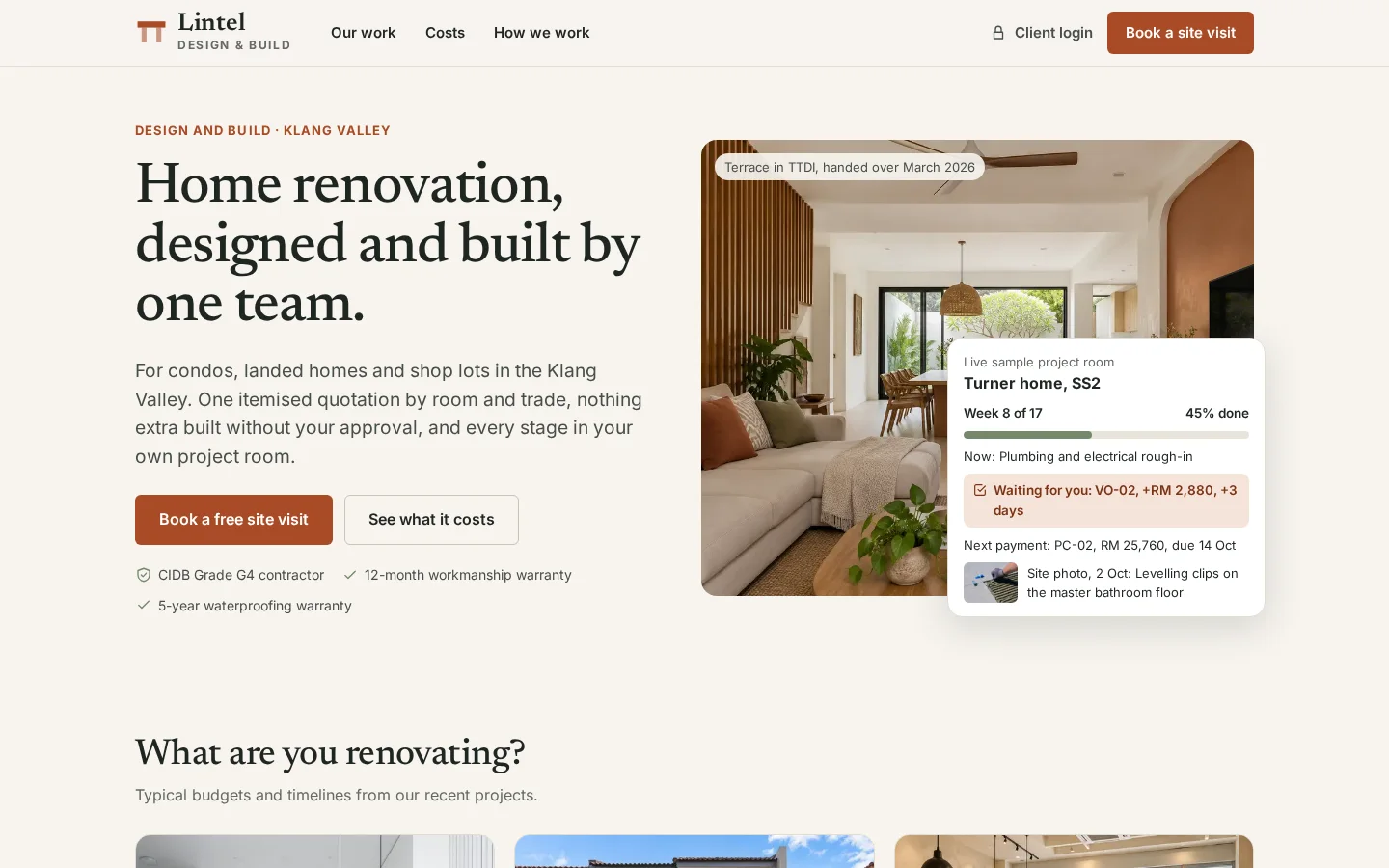
Lintel Design & Build
Renovation project system: quotes, variations and claims
See how it works →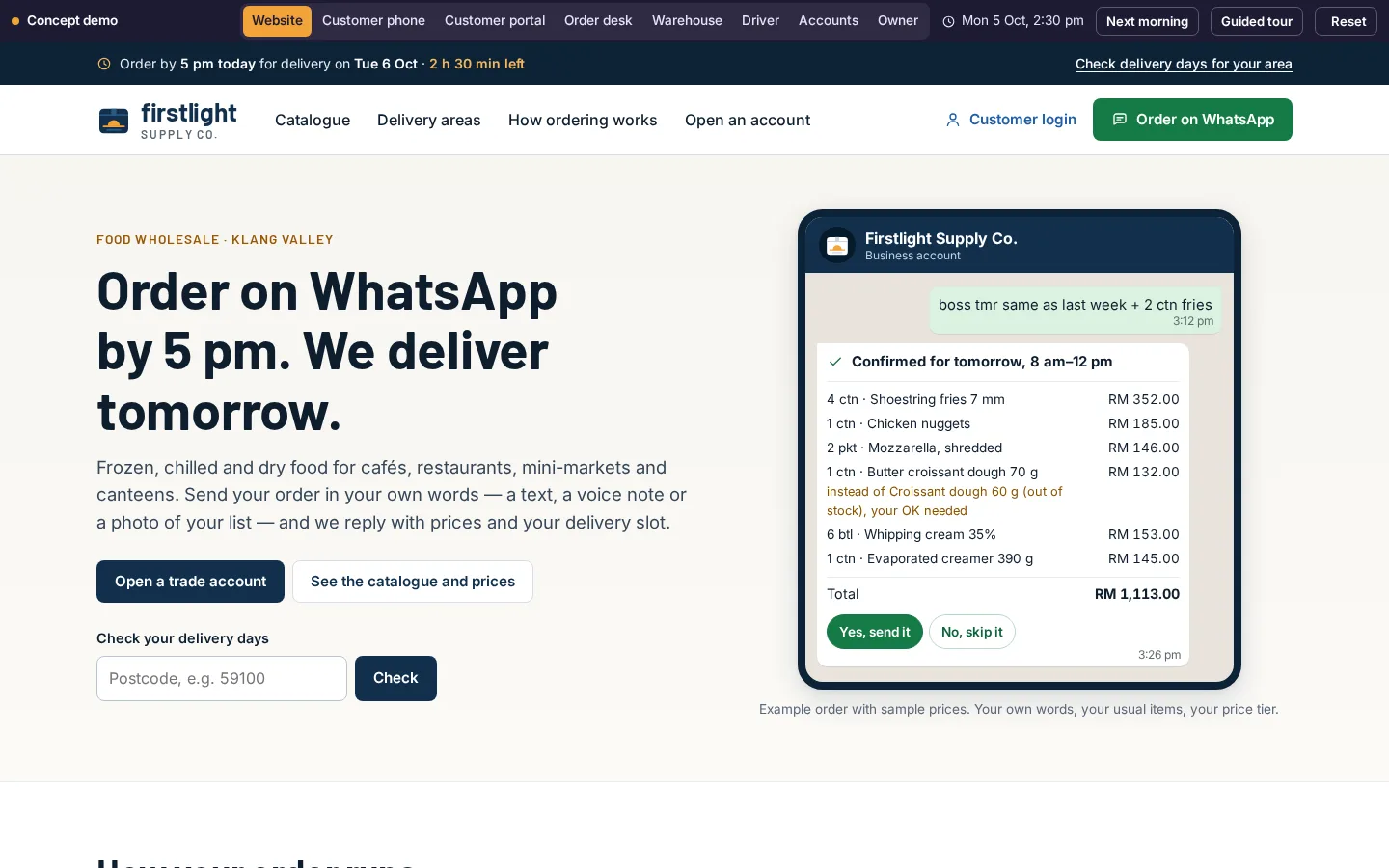
Firstlight Supply Co.
WhatsApp order desk for a food wholesaler
See how it works →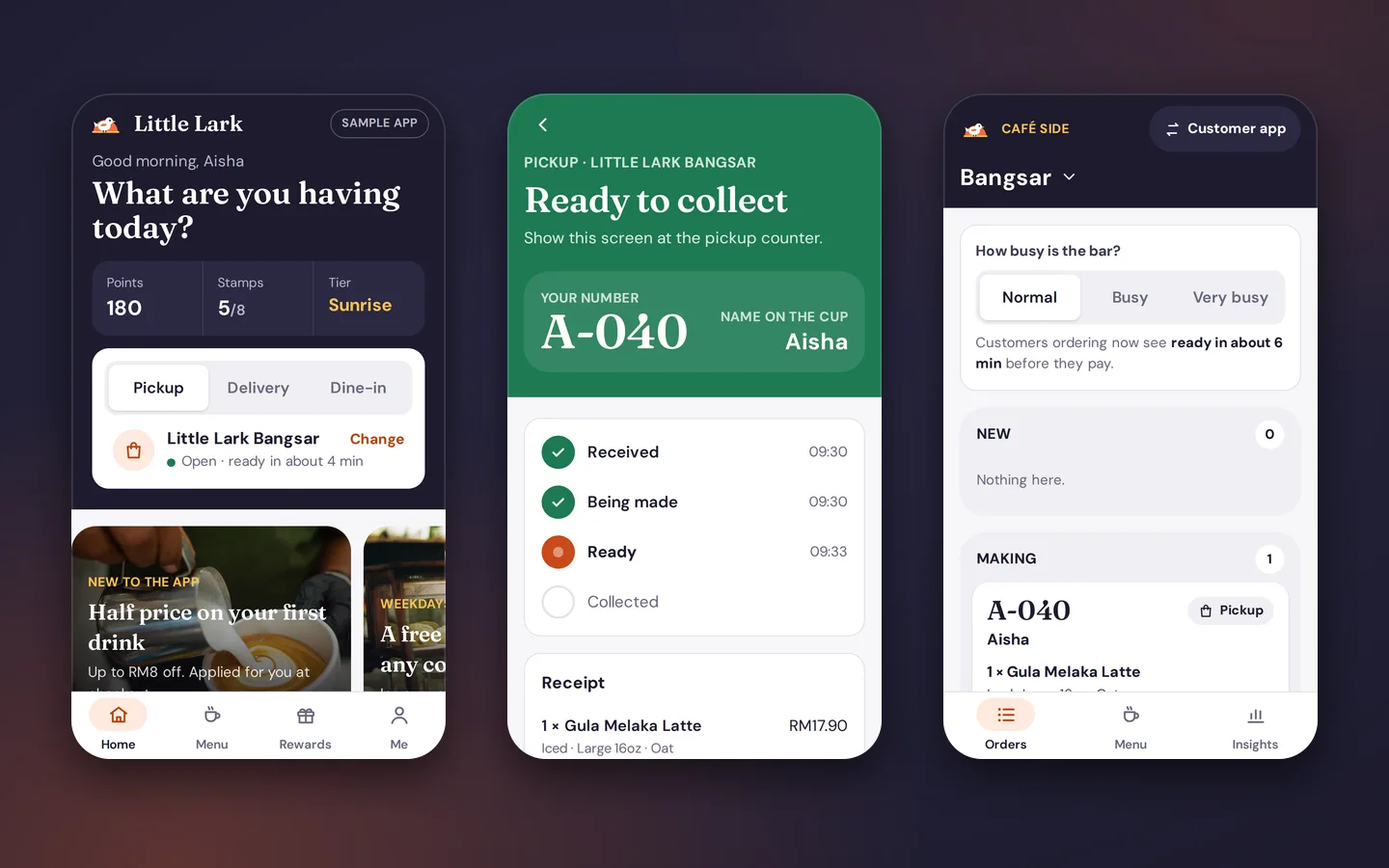
Little Lark
Café ordering and rewards app
See how it works →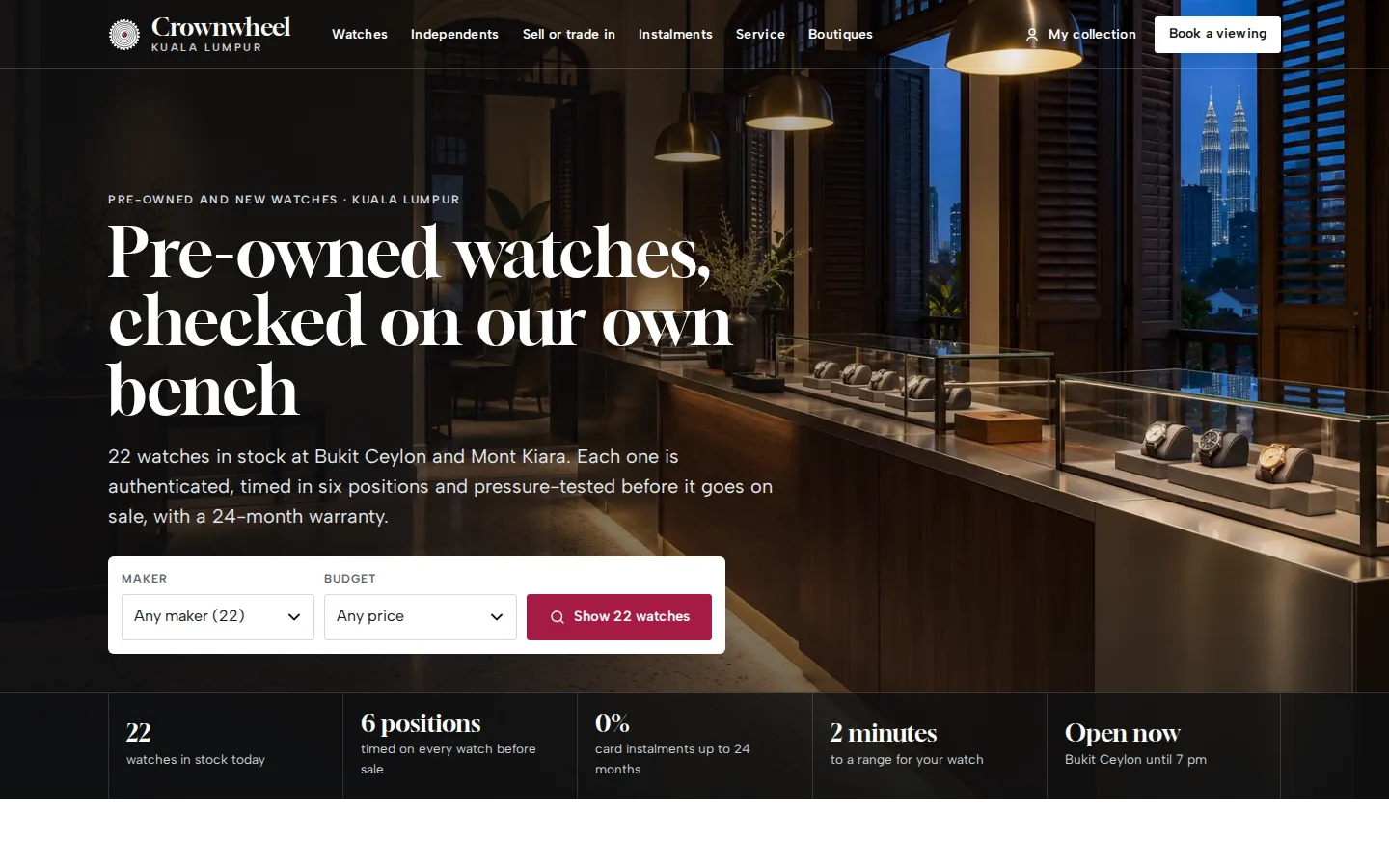
Crownwheel
Watch dealer website and sales desk
See how it works →Often built alongside
Questions
Asked about payment & checkout
The questions that come up when we scope this system. Anything else, ask us directly.
Which payment providers do you work with?
We are provider-agnostic. In Malaysia that typically means choosing between gateways like Billplz, senangPay, iPay88, Razer Merchant Services or Stripe, weighed on their fees, settlement time and the methods you need — FPX, DuitNow QR, cards or instalments. We help you choose based on your volumes and cash-flow needs, then build the checkout against that provider’s API. If you already have a merchant account, we build around it.
Can the checkout handle vouchers, discounts and instalments?
Yes — these are checkout logic rather than gateway features, so we build them into the order calculation itself: percentage and fixed vouchers with minimum-spend rules, stacking rules you control, and instalment presentation where the provider supports it. The important part is that the discounted price is computed server-side and recorded on the order, so what the customer saw is always what your records show.
Does it work for services and digital products, not just physical goods?
The same machinery covers all three — what changes is the fulfilment step. Physical goods need delivery fees and address validation; services usually pair checkout with our booking system so payment confirms a time slot; digital products need instant delivery after payment confirmation. We have built all three variations, and the admin side always shows one consistent order list regardless of what was sold.
What does adding a checkout cost?
It depends mostly on what is being sold, not the payment step itself — a single-product checkout is far simpler than a catalogue with variants, stock and delivery zones. Checkout is quoted as part of the build it belongs to rather than as a bolt-on. Tell us what you sell and we will show you the closest existing build, then quote the real version against your catalogue.
Which payment methods can Malaysian customers use?
FPX online banking, DuitNow QR, debit and credit cards, e-wallets such as Touch ’n Go, GrabPay and ShopeePay, and buy now, pay later, depending on the gateway. Stripe Malaysia takes cards but not Touch ’n Go, so many businesses add HitPay for e-wallets. We help you choose by what your customers use and what each method costs.
Need this in your project?
Tell us what you are building and we will show you the closest thing we have already made — then quote the real version.
Tell us what you need built
You get a fixed quote for your project, and a working prototype to click through before you pay.